Understanding Twin Block Appliances and Their Role in Growth Modification

When a child’s jaw does not develop properly, it can lead to misaligned teeth and bite problems that affect both function and appearance. One effective way to guide jaw growth and correct these issues is through the use of a Twin Block appliance. This orthodontic device plays a key role in growth modification, especially during the critical years of facial development. This post explains what Twin Block appliances are, how they work, and why they are important in managing jaw growth.

.
What is a Twin Block Appliance?
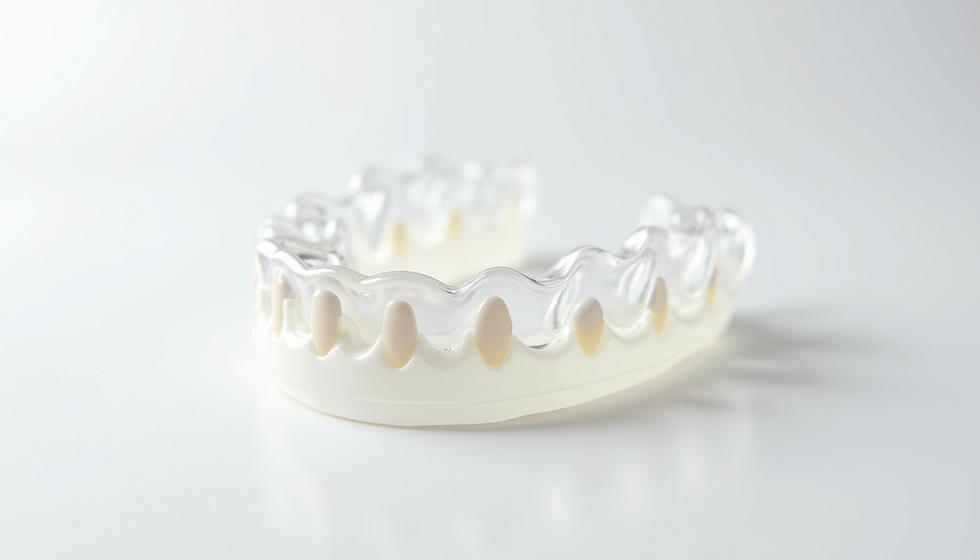
A Twin Block appliance is a removable orthodontic device designed to correct jaw discrepancies, particularly in growing children and adolescents. It consists of two separate parts—one for the upper jaw and one for the lower jaw—that fit together when the mouth is closed. These parts have specially designed bite blocks that posture the lower jaw forward.
This forward positioning encourages the lower jaw to grow in a more favorable direction, improving the bite relationship between the upper and lower teeth. The appliance is typically made of acrylic with metal clasps to hold it securely in place.
How Does Growth Modification Work with Twin Block Appliances?
Growth modification aims to influence the natural growth of the jaws to correct skeletal imbalances. The Twin Block appliance achieves this by:
Advancing the lower jaw: The appliance holds the lower jaw forward, stimulating bone growth in the jaw joint area.
Improving bite alignment: By repositioning the jaw, the teeth come together more evenly, reducing overbites or underbites.
Encouraging muscle adaptation: The muscles around the jaw adjust to the new position, supporting long-term changes.
Because the appliance relies on natural growth, it works best during the active growth phase, usually between ages 8 and 14. Orthodontists monitor progress regularly to adjust the appliance and ensure effective treatment.
Benefits of Using Twin Block Appliances
Twin Block appliances offer several advantages in orthodontic treatment:
Non-invasive approach: Unlike surgery, Twin Block appliances guide growth without invasive procedures.
Removable design: Patients can take the appliance out for eating and cleaning, which helps maintain oral hygiene.
Shorter treatment time: When used during growth spurts, the appliance can reduce the overall time needed for orthodontic correction.
Improved facial profile: By encouraging proper jaw growth, the appliance can enhance facial balance and aesthetics.
Who Can Benefit from Twin Block Appliances?
Children and teenagers with specific jaw growth problems are ideal candidates. Common conditions treated include:
Class II malocclusion: Where the lower jaw is positioned too far back relative to the upper jaw, causing an overbite.
Retrognathic mandible: A condition where the lower jaw is underdeveloped.
Mild to moderate skeletal discrepancies: Cases where jaw growth can still be influenced.
Orthodontists evaluate each patient’s growth stage, dental development, and jaw relationship before recommending a Twin Block appliance.

.
What to Expect During Treatment
Treatment with a Twin Block appliance usually lasts between 9 to 18 months, depending on the severity of the problem and the patient’s growth rate. Patients should expect:
Initial adjustment period: It may take a few days to get used to speaking and eating with the appliance.
Regular check-ups: Orthodontists will adjust the appliance as needed to maintain effective jaw positioning.
Consistent wear: Success depends on wearing the appliance for the recommended hours daily, often 14 to 16 hours.
Improved bite and jaw position: Over time, patients will notice changes in their bite and facial profile.
Good oral hygiene is essential to prevent plaque buildup around the appliance. Patients should clean the device daily and maintain regular dental visits.
Limitations and Considerations
While Twin Block appliances are effective, they have some limitations:
Dependence on growth: The appliance works best during active jaw growth and is less effective in adults.
Patient compliance: Since the device is removable, success depends on how faithfully the patient wears it.
Not suitable for severe cases: Some complex jaw discrepancies may require surgery or other orthodontic treatments.
Orthodontists carefully assess these factors before recommending the appliance to ensure the best outcome.
Final Thoughts on Twin Block Appliances and Growth Modification
Twin Block appliances provide a practical and effective way to guide jaw growth and correct bite problems in growing children. By advancing the lower jaw and encouraging natural bone development, this device can improve both function and appearance without surgery. Early diagnosis and timely treatment are key to maximizing benefits.
If you suspect your child has jaw growth issues or bite problems, consulting an orthodontist can help determine if a Twin Block appliance is the right choice. Taking action during the growth phase can lead to lasting improvements and a healthier smile.

Comments